
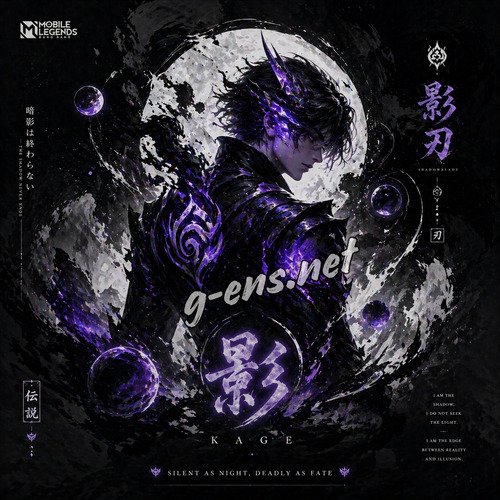
g-ens.net – The mobile gaming landscape has evolved into a highly competitive environment, and one of the strongest examples of that transformation is Mobile Legends: Bang Bang. What began as a mobile multiplayer game designed for quick matches has grown into a major competitive platform with millions of active players. It is not simply a game people open to pass time. For many, it has become a routine challenge that combines entertainment with strategy, teamwork, and personal improvement.
The appeal of Mobile Legends comes from its ability to make every match feel meaningful. A player may enter the game for casual enjoyment, but after several matches, it becomes clear that success requires more than random fighting. Players must understand objectives, adapt to teammates, and react to constantly changing conditions. This creates a cycle of learning that keeps the game engaging for years.
One of the most interesting aspects of Mobile Legends is how it teaches players to think differently. It is not enough to have fast hands or strong reflexes. The game rewards anticipation, planning, and awareness. A player who understands when to farm, when to rotate, and when to avoid unnecessary fights often performs better than someone who focuses only on combat. This strategic layer is what transforms the game from simple entertainment into a competitive experience that continues to attract new and returning players.
Understanding the Gameplay Structure
Every match in Mobile Legends takes place on a symmetrical map with three lanes. These lanes connect the two opposing bases and are guarded by defensive towers. The ultimate goal is to destroy the enemy crystal, but reaching that objective requires strategic progression through the map.
The jungle between the lanes plays a major role in shaping the match. Neutral monsters spawn there and provide gold, experience, and temporary buffs. These resources are essential because they allow heroes to scale faster and become more powerful earlier.
For beginners, the map often feels like a simple battlefield where combat happens randomly. Over time, players realize that every part of the map represents opportunity. A side lane may be undefended and ready to push. The jungle may contain a buff that can change the outcome of the next fight. The Turtle or Lord may create a major strategic advantage if secured.
This means the map is not just a place where battles occur. It is the foundation of the game’s strategic design.
Hero Roles and Their Strategic Importance
The heroes in Mobile Legends are divided into several classes: tank, fighter, assassin, mage, marksman, and support. Each class has a specific role in the team and contributes differently throughout the match.
Tanks initiate fights and absorb damage. Fighters are durable combatants capable of sustained battles. Assassins excel at eliminating key targets quickly. Mages control space with burst damage and crowd control. Marksmen deal high sustained damage from range, especially in the late game. Supports assist allies through healing, shielding, and utility.
These roles create a system of interdependence. A marksman may deal the most damage, but without a tank to protect them, they are vulnerable. A tank may survive for a long time, but without damage dealers nearby, their initiation is wasted.
This is why hero selection is strategic. The strongest players do not choose heroes only because they are comfortable with them. They also consider how those heroes fit into the overall team composition.
Match Progression and Timing
A Mobile Legends match generally unfolds in three stages: early game, mid game, and late game. Each stage has different priorities and strategic considerations.
The early game focuses on farming and lane management. Players collect gold and experience while avoiding unnecessary risks. This is the stage where heroes begin to establish their strength.
The mid game is characterized by rotations and increasing team fights. Towers start falling, and objectives like the Turtle become crucial. This stage often determines which team gains control of the map.
The late game is the most intense phase. Most heroes have their core items, making team fights extremely decisive. Death timers are long, and one mistake can result in losing the match. The Lord becomes the central objective because it can break defensive structures and create an opening for victory.
Recognizing these stages helps players understand when to prioritize aggression and when to focus on resource collection.
How to Play Better and Improve Consistently
One of the most fundamental skills in Mobile Legends is farming. Farming refers to collecting gold and experience efficiently from minions, jungle monsters, and objectives.
Many new players focus too much on kills. While kills are rewarding, they do not always translate into victory. A player who secures many kills but neglects farming may still fall behind in items compared to someone who farms consistently.
The Gold lane provides extra income, making it ideal for marksmen. The EXP lane helps certain heroes level up more quickly. Understanding these lanes allows players to maximize efficiency.
Good farming also requires judgment. Players must know when to stay in lane, when to rotate, and when to avoid unnecessary skirmishes. These choices often determine whether a player becomes a key carry or remains underpowered.
Rotations and Map Awareness
Rotations are one of the most important advanced skills in Mobile Legends. Rotating means moving from one area of the map to another to support allies, secure objectives, or pressure structures.
A successful rotation often begins with clearing a wave quickly. This frees a player to move to another lane and create a temporary advantage. Such movements can result in kills, tower destruction, or objective captures.
Map awareness is essential for effective rotations. The mini-map provides information about enemy positions. Players who ignore it often miss opportunities or walk into ambushes.
Strong players constantly process the mini-map. They identify where enemies are, where teammates need help, and where objectives are vulnerable. This awareness turns movement into a strategic weapon.
Team Fights and Tactical Positioning
Team fights are often the moments that decide the outcome of a match. These battles typically happen around major objectives such as Turtle, Lord, or key towers.
Winning a team fight requires more than damage. Positioning is critical. Marksmen and mages must stay behind the front line. Tanks must initiate when the team is ready. Assassins must wait for the right moment to eliminate priority targets.
Target selection also matters. Attacking the nearest enemy is not always correct. Eliminating a dangerous marksman or mage can have a greater impact than attacking a tank.
Strong teams understand that team fights are not isolated events. The goal is to convert a victory into map control, objectives, or direct pressure on the enemy base.
Constant Updates and Changing Meta
One of the main reasons Mobile Legends remains fresh is the regular updates from Moonton. New heroes, balance changes, and item adjustments constantly reshape the game.
This creates a shifting meta, where some heroes and strategies become stronger while others become weaker. Players who adapt to these changes often gain an advantage.
The evolving meta ensures that the game never feels static. There is always something new to learn.
Emotional Discipline and Competitive Mindset
Mobile Legends can be emotionally demanding. Ranked matches create pressure, and defeats can feel frustrating. However, emotional discipline is a crucial part of improvement.
Players who lose control often make reckless decisions. They may overextend, blame teammates, or stop cooperating. Calm players are more likely to identify comeback opportunities and maintain good decision-making.
Learning to stay composed is part of becoming a stronger competitor.
Teamwork and Shared Achievement
At its core, Mobile Legends is a team-based game. Individual skill matters, but teamwork usually determines the final outcome.
A coordinated team can overcome stronger individual opponents by communicating, sharing resources, and focusing on objectives. Even simple pings can create effective cooperation.
This teamwork creates the most memorable moments. A coordinated comeback, a perfect team fight, or a final base defense often feels rewarding because it reflects collective effort.
Conclusion Mobile Legends and the Experience of Learning Through Every Match
Mobile Legends: Bang Bang is far more than a casual mobile game. It is a competitive environment where strategy, mechanics, and teamwork shape every match.
To improve, players must understand the map, hero roles, farming, rotations, and team fights. Beyond technical skills, they must also develop adaptability, emotional control, and communication.
This combination of accessibility and depth is what keeps Mobile Legends relevant. It welcomes beginners but offers endless complexity for those who wish to master it.
In the end, Mobile Legends is not just about destroying the enemy crystal. It is about learning how to think strategically, adapt to changing situations, and cooperate with others in a constantly evolving competitive arena.
