
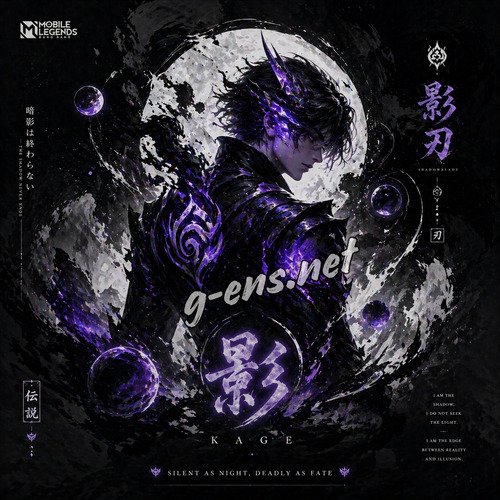
g-ens.net – Mobile Legends is more than just a fast-paced multiplayer online battle arena; it is a game that demands awareness, adaptability, and a deep understanding of its mechanics. At its core, the game revolves around two teams of five players competing to destroy the enemy’s base while defending their own. While this may sound straightforward, the layers of complexity beneath this objective are what make the game engaging and challenging.
Each match begins with players selecting heroes, each with unique abilities, strengths, and roles. These roles—Tank, Fighter, Assassin, Mage, Marksman, and Support—are not merely labels but define how a player should approach the game. A Tank absorbs damage and initiates fights, while a Marksman deals sustained damage from a distance. Understanding these roles is essential because a team lacking balance often struggles regardless of individual skill.
The map itself plays a crucial role. It is divided into three lanes—top, middle, and bottom—along with a jungle area filled with neutral monsters that provide gold and buffs. Successful players learn to read the map constantly, recognizing when to push lanes, retreat, or assist teammates. Ignoring map awareness is one of the most common mistakes among beginners, often leading to unnecessary deaths and lost objectives.
Another key mechanic is resource management. Gold and experience points determine how quickly a hero grows stronger. Farming efficiently—by killing minions, jungle monsters, and occasionally enemies—is critical. Players who fall behind in gold often struggle to contribute effectively in team fights, which can shift the entire momentum of the match.
Choosing the Right Hero and Role
Hero selection is not just about personal preference; it is about synergy and adaptability. Many players make the mistake of choosing their favorite hero without considering team composition. A well-balanced team typically includes a frontline (Tank or Fighter), damage dealers (Marksman and Mage), and utility (Support or Assassin). When players coordinate their picks, the team gains a significant advantage even before the match begins.
Equally important is mastering a limited pool of heroes rather than trying to play them all. Familiarity with a hero’s abilities, cooldowns, and positioning can make a substantial difference. Experienced players often know exactly when to engage or retreat because they understand their hero’s limits.
Counter-picking is another advanced concept. Certain heroes naturally perform better against others. For instance, a highly mobile Assassin may struggle against a Tank with strong crowd control abilities. Recognizing these matchups allows players to make smarter decisions during the drafting phase, increasing their chances of success.
The Importance of Early Game Strategy
The early game sets the tone for the rest of the match. During the first few minutes, players focus on farming, securing buffs, and avoiding unnecessary risks. It is tempting to chase kills early on, but disciplined players understand that building a solid economic foundation is more important.
The jungler plays a particularly vital role in this phase. By clearing jungle camps efficiently and assisting lanes through ganks, the jungler can create pressure across the map. A successful gank not only secures a kill but also forces the enemy to play more cautiously, giving your team greater control.
Communication during the early game is crucial. Even without voice chat, using in-game signals to warn teammates of missing enemies or to coordinate attacks can make a noticeable difference. Teams that communicate effectively often gain small advantages that compound over time.
Mastering Mid-Game and Team Coordination
As the game progresses into the mid-game, the focus shifts from individual farming to team-based objectives. Players begin grouping together to contest key objectives such as the Turtle, which provides gold and experience, and later the Lord, which can help push lanes significantly.
This phase requires a change in mindset. Players who continue to farm alone without considering team dynamics risk being caught out of position. Instead, understanding when to rotate and support teammates becomes essential. Rotations—moving from one lane to another—allow teams to apply pressure and create opportunities for kills or objectives.
Positioning during fights is another critical factor. Damage dealers must stay behind the frontline, avoiding direct confrontation while dealing consistent damage. Tanks and Fighters, on the other hand, initiate fights and absorb incoming attacks. Mispositioning often leads to quick eliminations, especially against coordinated opponents.
Communication and Team Synergy
Mobile Legends is fundamentally a team game, and synergy often outweighs individual skill. Even highly skilled players can struggle if their team lacks coordination. Effective communication ensures that everyone is on the same page, whether it is initiating a fight, retreating, or focusing a specific target.
Timing is a crucial aspect of synergy. Engaging too early or too late can disrupt a team’s strategy. For example, if a Tank initiates a fight before the Marksman is in position, the team may lack the damage needed to secure kills. Conversely, waiting too long can allow the enemy to regroup and counterattack.
Trust among teammates also plays a role. Players who trust each other’s decisions are more likely to commit fully to engagements, leading to more decisive plays. Hesitation often results in missed opportunities or fragmented fights.
Objective Control and Map Pressure
Winning in Mobile Legends is not solely about kills; it is about controlling objectives. Towers, Turtle, and Lord all contribute to a team’s overall advantage. Teams that prioritize objectives over unnecessary fights often find themselves in a stronger position as the game progresses.
Map pressure is closely tied to objective control. By pushing lanes and forcing the enemy to defend, a team can create opportunities elsewhere on the map. For instance, while the enemy focuses on defending a lane, your team can secure the Lord or invade the jungle.
Vision is another often-overlooked aspect. Keeping track of enemy movements through map awareness helps prevent ambushes and allows for better decision-making. Players who frequently glance at the mini-map are more likely to anticipate enemy actions and respond effectively.
Handling High-Stakes Situations
The late game is where matches are often decided. At this stage, death timers are longer, and a single mistake can lead to a loss. Players must exercise caution and avoid unnecessary risks. Overextending—pushing too far without backup—is one of the most common reasons teams lose in the late game.
Team fights become more intense and strategic. Every ability, position, and decision carries significant weight. Players must remain calm under pressure, focusing on their roles and executing their strategies effectively. Panic often leads to poor decisions, such as targeting the wrong enemy or misusing abilities.
Adaptability is key during this phase. The flow of the game can change rapidly, and players must adjust their strategies accordingly. Recognizing when to defend, when to engage, and when to retreat requires both experience and situational awareness.
Building the Right Equipment
Itemization plays a crucial role in the late game. Players must adapt their builds based on the enemy team composition. For example, if the enemy has high physical damage, building defensive items that reduce physical damage can significantly increase survivability.
Understanding item synergy is equally important. Certain items complement a hero’s abilities, enhancing their effectiveness. Experienced players often adjust their builds mid-game, responding to the evolving situation rather than sticking to a fixed setup.
Timing item purchases can also impact performance. Saving gold for a key item rather than spending it on less impactful upgrades can make a difference in critical moments. Strategic spending ensures that players are always prepared for upcoming fights.
Maintaining Focus and Avoiding Tilt
Mental discipline is often underestimated in competitive games. Losing a fight or making a mistake can lead to frustration, which in turn affects decision-making. Players who maintain composure are more likely to recover from setbacks and make rational choices.
Avoiding “tilt”—a state of emotional frustration—is essential. Tilted players often take unnecessary risks, ignore team coordination, and make impulsive decisions. Recognizing this state and regaining focus can prevent a downward spiral.
Positive reinforcement within the team also helps maintain morale. Encouraging teammates, even after mistakes, fosters a supportive environment that improves overall performance. Teams that remain positive are more resilient and better equipped to handle challenging situations.
Conclusion The Art of Playing Mobile Legends: Strategy, Skill, and Team Synergy
Mobile Legends is a game that blends strategy, skill, and teamwork into a dynamic and ever-evolving experience. From understanding core mechanics and selecting the right heroes to mastering mid-game coordination and late-game execution, every aspect of the game requires attention and practice. Success is not determined solely by individual talent but by how well players adapt, communicate, and work together as a team.
The journey to becoming a better player involves continuous learning. Each match offers lessons—whether in victory or defeat—that contribute to growth. By focusing on fundamentals such as map awareness, positioning, and teamwork, players can steadily improve their performance.
Ultimately, Mobile Legends is not just about winning; it is about the process of improvement and the thrill of competition. The most rewarding moments often come from well-coordinated plays and hard-fought victories, where strategy and teamwork come together seamlessly.
