
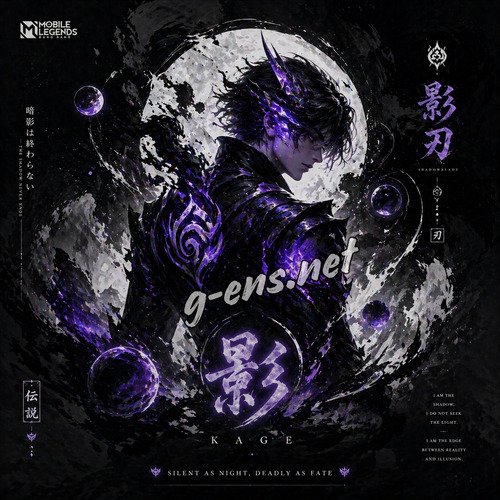
g-ens.net – Mobile Legends: Bang Bang is a constantly evolving battlefield where heroes are not only judged by their individual strength but by how well they function inside a team system. A hero that looks overpowered in isolation can feel weak when placed in a bad composition, while a seemingly simple hero can dominate games when paired with the right allies. This is why understanding synergy, mechanics, and meta adaptation is essential for consistent performance, especially in higher ranks where decisions matter more than raw mechanics.
This guide focuses on how heroes interact with each other, how mechanical mastery shapes outcomes, and how players can adapt to the shifting meta instead of being controlled by it.
Hero Synergy and Team Composition Logic
Every match in Mobile Legends is essentially a puzzle where heroes must fit together. Synergy is not just about combining skills—it is about creating a system where each hero amplifies the strengths of others while covering weaknesses.
A strong team always has a clear separation between frontline and backline roles. Tanks and fighters form the frontline, absorbing damage and creating space, while marksmen and mages operate from a safe distance to deal consistent or burst damage. When these two layers function properly, fights become structured and controlled.
The frontline’s job is not only to initiate but also to disrupt enemy formation. When a tank forces enemies to reposition or use key skills defensively, the backline gains a window to deal damage safely. On the other hand, if the frontline fails to protect the backline, damage dealers are forced into panic positioning, reducing overall team effectiveness.
Crowd Control Chains and Combo Potential
One of the most powerful forms of synergy in Mobile Legends is crowd control chaining. When multiple heroes combine stuns, slows, and knock-ups in sequence, the enemy team can be locked down long enough to be eliminated without retaliation.
Teams that understand timing between abilities can turn even small skirmishes into guaranteed wins. For example, a tank may initiate with a stun, followed by a mage’s area control skill, allowing an assassin to finish off isolated targets. These layered interactions are what define coordinated team fights and separate casual play from structured gameplay.
Damage Timing and Role Synchronization
Synergy is not only about control but also about timing damage output. If all heroes use their abilities at the same moment without coordination, damage can be wasted, especially if enemies use defensive tools or escape skills.
Proper synchronization involves staggering abilities to maintain pressure throughout the fight. Tanks initiate, mages soften targets, assassins finish priority kills, and marksmen clean up sustained damage. When executed correctly, this flow creates a smooth and overwhelming pressure cycle that is difficult for enemies to withstand.
Mechanical Mastery and Hero Execution
While strategy defines structure, mechanics define execution. Even the best strategy fails if a player cannot properly execute their hero’s abilities under pressure. Mechanical skill is what turns theoretical advantage into real in-game impact.
Every hero in Mobile Legends relies on precise timing to maximize effectiveness. Whether it is landing a skill shot, activating a combo at the right moment, or using a defensive ability to avoid damage, timing determines success.
Players who master timing are able to consistently win duels and survive situations that would normally result in elimination. Mechanical precision is especially important for assassins and mages, where missing a single skill can completely change the outcome of an engagement.
Movement, Positioning, and Space Control
Movement is one of the most underrated mechanical aspects of the game. Good positioning allows players to deal damage safely while avoiding unnecessary risks. Poor positioning, on the other hand, often leads to being caught out and eliminated before contributing to fights.
Space control refers to how a player uses their presence to influence enemy movement. Even without engaging directly, a well-positioned hero can force enemies to reposition or hesitate. This psychological pressure is a form of mechanical mastery that experienced players use to control fights without using abilities.
Combos, Animation Cancelling, and Efficiency
Advanced mechanics also include optimizing ability sequences. Many heroes have combos that maximize damage output when executed in a specific order. Learning these combinations allows players to increase efficiency and reduce reaction time gaps.
Animation cancelling and fast input execution are also important at higher levels of play. These techniques allow heroes to perform actions faster than expected, creating advantages in close fights. Mastery of these mechanics often separates average players from highly skilled competitors.
The meta in Mobile Legends is constantly shifting due to balance updates, new heroes, and evolving player strategies. Instead of rigidly sticking to one playstyle, successful players learn how to adapt their hero choices and strategies to match the current environment.
Understanding Meta Shifts and Patch Influence
Every patch introduces changes that affect hero strength, item efficiency, and overall game pacing. A hero that was dominant in one patch may become less effective after adjustments, while previously ignored heroes may rise in popularity.
Players who understand patch changes can quickly adjust their hero pool and maintain performance consistency. This adaptability is essential for climbing ranks, as relying on outdated strategies often leads to predictable and punishable gameplay.
Flexible Hero Pool and Role Versatility
A strong player is not defined by one hero but by a flexible hero pool. Being able to switch between multiple roles allows players to adapt to team needs and enemy drafts. This flexibility increases win rate by ensuring team compositions remain balanced.
Role versatility also improves understanding of the game as a whole. When a player understands multiple roles, they gain insight into how each position thinks and operates, improving decision-making and anticipation during matches.
Counter-Strategy and Reactive Gameplay
Adaptation is not only about following the meta but also about reacting to the enemy team. Counter-strategy involves selecting heroes and adjusting gameplay to directly respond to enemy strengths.
For example, if the enemy relies heavily on burst damage, building defensive items and choosing sustain-based heroes becomes more effective. If the enemy team lacks crowd control, mobile heroes can exploit that weakness more easily. Reactive gameplay ensures that players are always aligned with the current match conditions rather than playing blindly.
Conclusion Mobile Legends Heroes Deep Strategy Guide: Synergy, Mechanics, and Meta Adaptation
Mastering heroes in Mobile Legends requires a deep understanding of synergy, mechanics, and adaptability. No hero exists in isolation, and every match is shaped by how well players coordinate with teammates, execute mechanical skills, and respond to evolving conditions.
Synergy determines how heroes function together, mechanics determine how effectively they are executed, and meta adaptation determines long-term success across different patches and environments. Players who develop all three aspects gain a significant advantage in both ranked and competitive play.
Ultimately, Mobile Legends is not just about choosing strong heroes—it is about understanding how those heroes interact within a constantly changing system. Those who learn to adapt, coordinate, and execute with precision will always find themselves one step ahead on the battlefield.
